
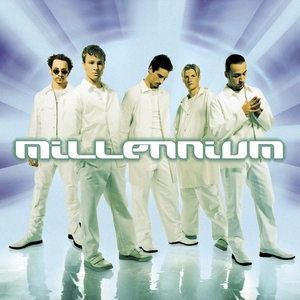
June 5, 2026: On this day in 1999, Backstreet Boys’ Millennium debuted at No. 1 on the Billboard 200, selling 1,134,000 copies in its first week and setting a new benchmark for the Nielsen SoundScan era.
The album had been released on May 18, 1999, through Jive Records, with a 12-song tracklist that opened with “Larger Than Life” and included “I Want It That Way,” “Show Me the Meaning of Being Lonely,” “The One” and “The Perfect Fan.” The group’s official discography lists the album’s release date and tracklist, confirming the record’s original 1999 configuration.
The chart debut was more than a strong opening. Guinness World Records notes that Millennium entered the Billboard 200 at No. 1 on June 5, 1999, with 1,134,000 first-week sales, breaking the previous SoundScan-era first-week sales record held by Garth Brooks’ Double Live. SoundScan tracking had only been in use since 1991, but by 1999 it had become the industry standard for measuring actual retail sales.
At the time, the Los Angeles Times described the opening week as the best sales week in recorded music history, reporting that the album surpassed the 1.08 million copies Brooks had sold in a week the previous November. The paper also framed the record as part of a larger youth-pop boom that included *NSYNC, 98 Degrees and Britney Spears.
That context matters. Millennium arrived at a moment when teen pop was often dismissed by critics but taken very seriously by fans, retailers, radio programmers and MTV. Backstreet Boys were already major stars before the album came out, but Millennium gave the group a number that could not be ignored. More than a million people bought the album in one week. That kind of opening turned a pop phenomenon into a business story.
The album’s lead single, “I Want It That Way,” had already helped set the stage. Released before the album, the song became the group’s signature ballad and one of the defining pop singles of 1999. AJ McLean later recalled in the documentary Larger Than Life: Reign of the Boybands that the group’s label had concerns about the song’s lyrics and even suggested a revised line, but the band chose to keep the original version. McLean said the original simply felt right, and the decision became one of the most important calls of the group’s career.
What made Millennium work was not just the size of the rollout. It was the balance of the album itself. “I Want It That Way” gave the record its emotional center. “Larger Than Life” answered the fans directly, turning the relationship between group and audience into a stadium-sized opening statement. “Show Me the Meaning of Being Lonely” gave the album one of its most serious ballads, while “The One” extended the record’s clean, radio-ready pop sound into 2000.
The production also placed Backstreet Boys firmly inside the late-’90s Swedish-pop pipeline. Max Martin, Kristian Lundin and Rami Yacoub were among the key producers and writers connected to the record, helping shape the polished sound that would define a large part of mainstream pop at the turn of the century. The album also included contributions from Robert John “Mutt” Lange, Stephen Lipson and others, giving Millennium a studio-built scale that matched its commercial ambitions.
The record’s success extended well beyond opening week. Legacy Recordings later described Millennium as 1999’s top-selling album and noted that it generated four major singles: “I Want It That Way,” “Larger Than Life,” “Show Me the Meaning of Being Lonely” and “The One.” Legacy also stated that the album helped secure the group’s international superstar status.
The Recording Industry Association of America lists Millennium as certified 13x Platinum, with a certification date of February 7, 2001. That certification places the album among the biggest-selling pop releases of its era and confirms that its opening-week success was not a short burst.
The album also reached beyond sales. At the 42nd Annual Grammy Awards, Millennium was nominated for Album of the Year and Best Pop Vocal Album. “I Want It That Way” was nominated for Record of the Year and Best Pop Performance by a Duo or Group with Vocal. The group did not win those awards, but the nominations showed that the album had crossed from teen-pop marketplace dominance into broader industry recognition.
For Backstreet Boys, the success of Millennium changed the scale of everything around them. They were no longer just a popular vocal group with a large fanbase. They were the leading act in a sales moment that reshaped expectations for pop albums. The release also intensified the rivalry and comparison with *NSYNC, whose No Strings Attached would break the first-week sales record again in 2000. But Millennium set the table for that race.
The album’s legacy is tied to a very specific time in music history: CD sales were still dominant, MTV’s Total Request Live could turn videos into daily events, radio formats were heavily influenced by teen-pop demand, and fans were buying albums in numbers that now feel almost unreachable. Millennium sits right at the center of that moment.
More than 25 years later, the album remains one of the clearest examples of how big mainstream pop could become before the digital shift changed the industry. Its June 5, 1999 chart debut was not just a win for Backstreet Boys. It was proof that teen-pop had become one of the defining commercial forces in American music.